7 Questions Hotels Should Ask an H-2B Partner Before Peak Season
Hotels can prepare for the World Cup by treating staffing as a core pillar of operational readiness. Predictable, well-planned seasonal staffing protects service quality, preserves leadership focus, and ensures pricing, inventory, and guest experience strategies perform under global visibility and peak demand.
World Cup Readiness for Hotels
The World Cup is not simply a busy season. It's a global stress test.
For hospitality organizations, few events concentrate visibility, expectations, and demand into such a short window. Millions of international travelers arrive with little tolerance for friction. Reviews travel instantly. Brand impressions are formed at scale.
This moment exposes more than capacity. It reveals operational maturity.
Protecting Hotel Reputation During the World Cup
This is not a volume challenge. It's a brand exposure moment.
Global events amplify both excellence and failure. Guest expectations rise sharply during the World Cup. Service delays, cleanliness gaps, or inconsistent experiences feel larger when compared against premium pricing and global attention. At the same time, decision windows compress. Leaders are forced to execute plans already in motion, not improvise new ones.
What happens during this period does not stay contained to the event. Reviews, social coverage, and partner perceptions create a long tail that influences future bookings, group contracts, and brand trust.
Integrated Readiness: Beyond the Checklist
Labor readiness determines whether other strategies actually deliver.
Operational readiness is often approached as a list of tasks. Inventory secured. Pricing optimized. Guest flow modeled.
In practice, these levers are interdependent. A pricing strategy assumes rooms can be turned on time. Inventory planning assumes food and beverage throughout can scale. Guest flow models assume service teams can maintain pace across shifts and days.
Staffing constraints quietly undermine otherwise sound strategies. When labor is unstable, every other operational decision becomes fragile.
"Seasonal staffing determines whether services standards hold under pressure. When labor is predictable, everything else in the operation works the way it was designed to."
--Dana Deree, President, Arkansas Global Connect, a Vanteo company
Strategic Staffing: Core to Operational Resilience
Adequate staffing protects service consistency when margin for error disappears.
During peak demand, the difference between coverage and capability becomes visible.
Coverage fills shifts. Capability sustains service standards when pressure is highest. Workforce gaps show up quickly in slower check-ins, delayed room turns, reduced menu execution, and longer recovery times after disruptions.
Despite attempts to hire, a significant majority of hotels continue to report difficulty in filling roles, with an average of 6–7 open positions per property.
Understaffing carries hidden costs. Service failures during high-visibility periods erode margins through refunds, comped services, and reputational damage that extends well beyond the event itself.
Predictable World Cup Staffing for Peak Demand
Predictable labor enables confident pricing and operational control.
According to Hotel Executive, service-sector labor participation continues to decline, leaving hospitality with a structural workforce gap.
Many organizations rely on overtime, last-minute hiring, and managerial heroics to survive peak periods. That approach does not scale under global demand surges.
Reactive staffing increases labor costs, accelerates burnout, and introduces operational volatility. Leaders spend time solving immediate gaps instead of steering the business.
Predictable seasonal staffing changes the equation. When roles, shifts, and service levels are secured in advance, leaders gain pricing confidence, operational control, and execution discipline.
Preserving Leadership Focus During the World Cup
Operational readiness preserves executive focus during critical moments.
Staffing instability pulls executives and senior managers into tactical firefighting. Time that should be spent monitoring guest experience, revenue performance, and risk mitigation is redirected to filling shifts and resolving breakdowns.
The opportunity cost is significant. Leadership distraction during the most valuable revenue windows weakens decision quality and slows response to issues that truly require executive judgment.
Staffing stability acts as a force multiplier. It preserves leadership bandwidth when it matters most.

Workforce Readiness: World Cup Guest Experience
Guest experience is built on workforce depth and consistency.
Guest experience outcomes are downstream of staffing decisions.
- Check-in flow depends on front desk coverage.
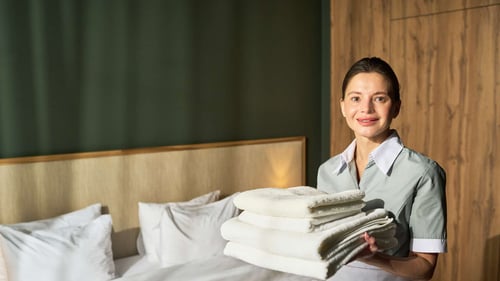
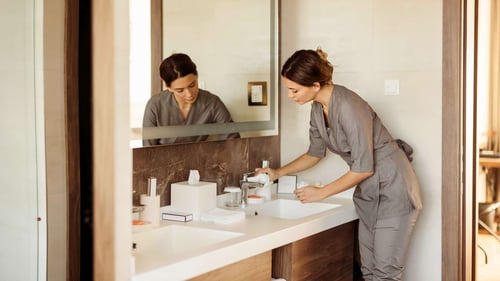
- Housekeeping cadence depends on room attendants and supervisors.
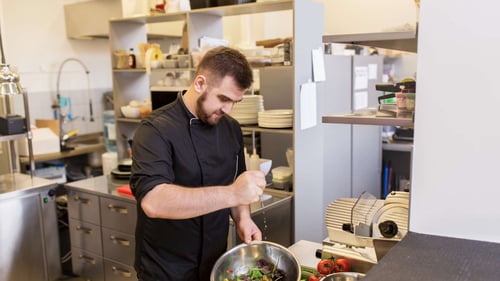
- Food and beverage throughput depends on trained teams that can sustain pace across long days.
Consistency matters more than peak performance. Guests remember the slow morning, the missed service touch, or the delayed response to a problem. During global events, small failures feel amplified.
Long-Term Readiness: Beyond the World Cup
Sustained readiness outperforms event-by-event scrambling.
World Cup performance influences more than short-term revenue. It shapes future bookings, repeat visitation, and partnership opportunities.
Hotels that use seasonal workforce planning strategically build institutional readiness.
- Processes improve.
- Vendor relationships strengthen.
- Leadership teams gain a repeatable playbook for future peaks.
The real return comes from turning a one-time surge into a durable operational capability.
Download our employer assessment checklist to see if you qualify for H-2B.
Executive Leadership for World Cup Staffing Readiness
The World Cup tests whether workforce strategy is treated as a core component of operational resilience and brand protection. Leaders who plan early, secure predictable labor, and align staffing with broader operational goals position their organizations to perform under pressure.
This moment will be remembered by guests, partners, and markets.
The question for hospitality leaders is whether it will be remembered as a success.
Vanteo helps hotels manage workforce fluctuations with dependable seasonal teams aligned to their operational cycles. Our H-2B program is built for predictability, offering end-to-end support, clear eligibility guidance, and experienced consultation, so peak season staffing performs as planned. For operational confidence when demand is highest.
Contact Vanteo to get started on building your World Cup team and strengthening your operational readiness for this global hospitality moment.


Subscribe to The Talent Advantage, our LinkedIn newsletter providing executive insights and practical advice on building legal international talent strategies that solve workforce challenges.
About Vanteo
Vanteo serves as the parent company for a comprehensive family of brands specializing in workforce solutions, cultural exchange programs, and process management, each benefiting from our integrated approach.
Seasonal Roles
Arkansas Global Connect (AGC) serves as our H-2A and H-2B seasonal workforce specialist, providing expertise in agricultural and non-agricultural temporary worker programs. AGC manages the seasonal talent pipeline for industries including agriculture, hospitality, landscaping, and manufacturing.
Vanteo is not a law firm, and this information should not be considered legal advice. Participation in U.S. visa programs is subject to eligibility, regulatory requirements, and government approval. Past performance does not guarantee future outcomes.