
H-2A Visa and H-2B Visa: Build a Resilient Seasonal Workforce

By planning early and integrating H-2A or H-2B visa programs into their seasonal workforce strategy, organizations can access global talent, stabilize operations, and build a predictable, ethical temporary workforce that supports long-term performance.

Seasonal and temporary labor shortages have evolved from occasional inconveniences into strategic challenges that directly impact profitability, service delivery, and competitive positioning. Industries from agriculture to hospitality, landscaping to manufacturing face the same reality: when peak demand arrives, the workforce often doesn't.

The traditional approach of reactive, last-minute hiring no longer meets the demands of today's labor market. Many organizations are shifting their perspective, recognizing that seasonal workforce planning defeats labor challenges and builds a competitive advantage.

When you can reliably staff peak periods while competitors scramble, you maintain service quality, capture revenue opportunities, and protect your team from burnout.

One effective approach to building a reliable seasonal workforce is hiring international workers through the use of the H-2A and H-2B visa programs. When integrated into a comprehensive hiring strategy, these visas become tools for operational stability, predictable growth, and sustainable business performance.

Your Guide to Seasonal Workforce Strategy

Download a free comprehensive framework to help evaluate, implement, and optimize H-2A visa and H-2B visa programs as part of your strategic workforce planning.

Winter Hospitality Staffing Made Easy: How H-2B Visas Solve Seasonal Labor Shortages
Experienced global manufacturing workers

Factors Intensifying Seasonal Staffing Challenges

The difficulty of securing seasonal workers continues to escalate across industries.

  • Local labor pools have contracted due to demographic shifts, reduced workforce participation rates, and migration patterns away from traditionally seasonal employment.
  • Competition for available workers has intensified as more businesses recognize the critical nature of seasonal staffing.
  • Demand cycles have become less predictable, with weather patterns, consumer behavior, and supply chain disruptions creating volatility that makes workforce planning increasingly complex.

What worked five years ago—posting job openings six weeks before your season—no longer guarantees results.

The Business Impact of Temporary Workforce Gaps

Understaffing during peak periods creates cascading problems throughout your operation.

  • Revenue opportunities slip away when you can't fulfill orders, deliver services, or maintain hours of operation.
  • Service quality deteriorates, directly affecting customer satisfaction and retention.
  • Year-round employees bear the burden of workforce gaps through extended hours, increased stress, and responsibilities outside their core roles. This accelerates burnout, drives turnover, and creates a cycle where your strongest performers exit precisely when you need them most.
  • Leadership teams spend valuable time on crisis management rather than strategic initiatives.

The financial impact is not limited to lost revenue.

  • Overtime costs escalate.
  • Training budgets increase as turnover rises.
  • Quality issues generate customer service expenses and potential liability.

The true cost of seasonal workforce gaps often exceeds what appears on immediate financial statements.

Modernize Seasonal Workforce Planning

Why Local Hiring Alone Isn't Enough for Seasonal Needs

Relying exclusively on regional labor markets carries inherent risk. When local supply can't meet your demand—or when multiple employers compete for the same limited pool—your operation becomes vulnerable to factors outside your control.

Many organizations experience persistent challenges with temporary worker reliability when drawing solely from local markets.

  • Show rates decline.
  • Mid-season departures increase.
  • Training investments fail to generate returns.

From Reactive Hiring to Proactive Temporary Workforce Strategy

Last-minute hiring creates operational risks that planning early eliminates. When you begin workforce development five to eight months before your season rather than five to eight weeks, you turn uncertainty into predictability.

Lead times matter significantly. Processing timelines, training requirements, and operational integration benefit from advance planning. Organizations that treat seasonal workforce development as a strategic function rather than an administrative task often outperform those that don't.

hospitality workforce stability

Build a Predictable Seasonal Workforce Pipeline with H-2 Visas

Strategic temporary workforce planning starts with a clear understanding of your core seasonal roles. Identify the positions that directly impact peak-season performance, along with the skills, experience, and reliability each role requires.

Accurate demand forecasting aligned with your business cycles is also essential. That means analyzing when peak periods typically occur and the factors that influence them:

  • Weather patterns.
  • Market trends.
  • Shifts in customer behavior.
  • Competitive pressures.

This level of clarity supports targeted workforce development instead of broad, generic hiring.

Consistency year over year builds institutional knowledge and operational efficiency. When you offer reliable seasonal employment opportunities that workers value, international workers return season after season, training time compresses, quality improves, and you can develop relationships that benefit both parties.

H-2A visa and H-2B visa programs support this consistency by expanding your available labor pool into global labor markets. These programs aren't shortcuts or alternatives to local hiring. They're complementary tools that strengthen overall workforce stability.

“Labor shortages cripple us every season.”
--Mitch Davis, Iowa Dairy Association   

International Talent: A Strategic Advantage for Seasonal Staffing


Global seasonal workers bring specific advantages that support long-term workforce continuity. Workers who travel specifically for seasonal employment opportunities demonstrate commitment levels that typically reduce mid-season departures and no-shows. The investment in obtaining visa authorization creates alignment between worker goals and your operational needs.

Diversified labor sourcing provides operational resilience. When one channel faces constraints—whether local availability, economic conditions, or market competition—other channels maintain your ability to staff effectively. This diversification functions like any sound business strategy: reducing single points of failure.

The confidence that comes from knowing you can reliably staff your peaks enables better decision-making across your organization.

  • Sales can commit to delivery timelines.
  • Operations can optimize workflows for full capacity.
  • Finance can forecast with greater accuracy.
  • Leadership can focus on growth rather than crisis management.

Operational Benefits of a Reliable Seasonal Workforce

Improved retention and engagement follow naturally from sustainable workloads. Your strongest performers stay longer, develop deeper expertise, and contribute more value when they're not burning out every peak season. The compound effect of this retention strengthens your organization year after year.

Vanteo Icon Set-Values

Improved Productivity and Efficiency

Workforce stability means your operation can maintain rhythm and momentum when staffing remains consistent.

Faster ramp-up occurs when workers return from previous years or when hiring timelines permit comprehensive onboarding before demand peaks. Instead of spending your busiest period training, you're operating at full capacity from day one. 

Vanteo-Stronger Team Dynamics

Stronger Service Quality and Enhanced Customer Experience

When you have adequate, trained staff, service standards don't slip. Your customers experience the same quality whether they engage with you at the start, middle, or end of your season.

When workers receive proper orientation and skill development before peak demand, they perform more effectively and make fewer costly mistakes.

Vanteo-Support

Reduced Burnout and Improved Workforce Morale

When your permanent team doesn't face weeks of excessive overtime and expanded responsibilities, they maintain engagement and effectiveness.

Improved retention and engagement follow naturally from sustainable workloads. Your strongest performers stay longer, develop deeper expertise, and contribute more value.
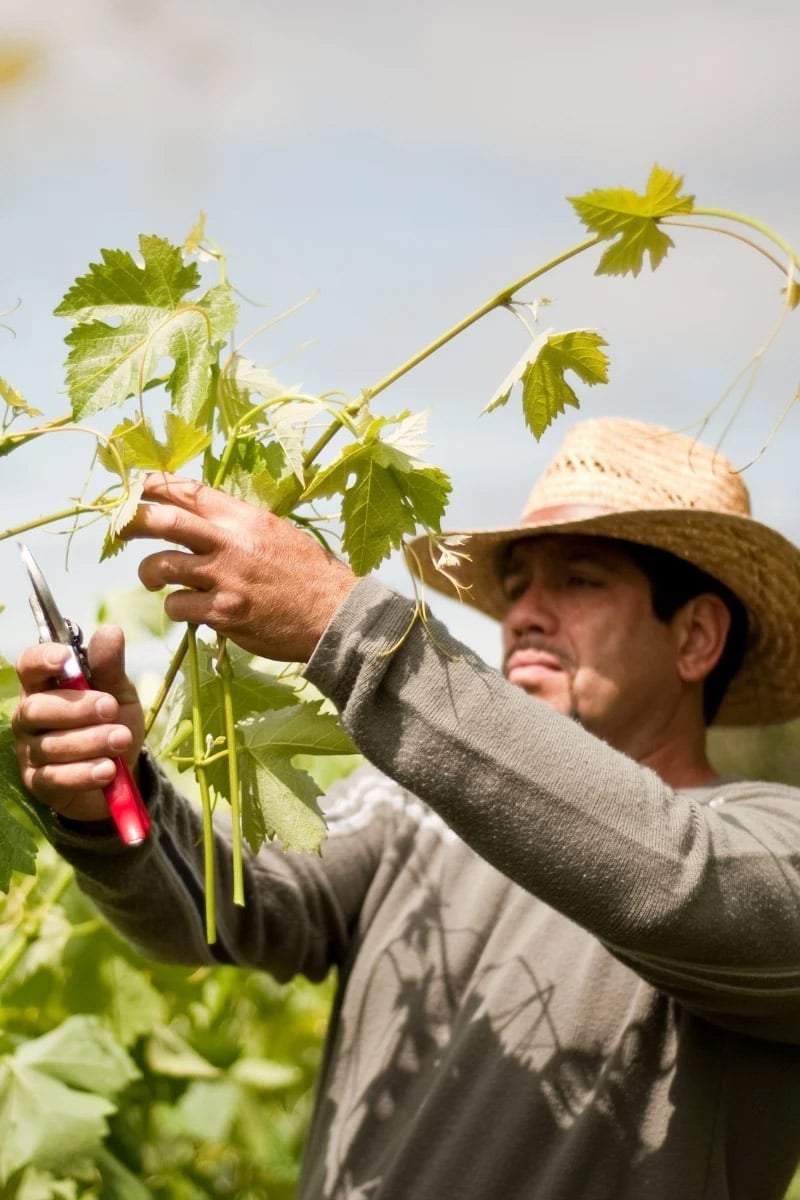

When global workers have a positive experience, they often return year after year.
Ethical Hiring Matters for Long-Term Business Success

Ethical & Sustainable with H-2A and H-2B Visa Workforce Solutions

Why Ethical Hiring Matters for Long-Term Business Success

Fair treatment and worker protections are compliance requirements and operational necessities. Organizations that prioritize worker welfare experience better performance outcomes, including higher retention and stronger productivity.

Reputation and brand trust increasingly depend on how organizations treat all workers, including international employees. Customers, investors, and potential employees evaluate organizations based on demonstrated values. Ethical workforce practices strengthen your market position while practices that exploit workers create long-term liability.

Hiring global workers through the H-2A and H-2B visa programs helps employers maintain compliance with U.S. labor and immigration regulations. These programs provide a structured, government-regulated pathway that prioritizes worker protections, wage transparency, and fair employment standards, for all employees—domestic and international.

When implemented strategically, H-2 visas support ethical workforce practices by ensuring workers are recruited lawfully, treated equitably, and employed under clearly defined terms. For employers, this creates a more stable, predictable, and responsible seasonal workforce model.

Build a Sustainable Seasonal Workforce Program with H-2 Visas

Long-term partnerships with international talent create mutual benefit. Workers gain reliable seasonal employment that fits their goals and circumstances. Organizations gain experienced, committed team members who may improve performance year over year.

Repeat seasonal workers become ambassadors who help recruit others, share knowledge with new team members, and maintain institutional continuity that benefits your entire operation.

Responsible global hiring practices protect your organization from legal and reputational risk while supporting workers' rights and welfare.

Industry-Specific Seasonal Workforce Challenges and Solutions

Tailored Workforce Strategies for Seasonal Industries

Different industries face unique temporary pressures that require customized workforce approaches.

Each industry benefits from workforce strategies tailored to specific operational realities, compliance requirements, and business models.

H-2A farm labor

Agriculture & Harvest-Driven Operations face some of the most severe seasonal workforce challenges, with tight harvest windows and significant consequences for delays.

H-2A visa programs specifically address agricultural temporary labor needs, providing ethical access to
international workers for seasonal planting, cultivation, and harvest activities.

H-2B hotel employee

Hospitality & Tourism operations depend on seasonal workforce stability to maintain guest experience quality during peak travel periods.

Summer resorts, ski destinations, and seasonal attractions require workers for limited but intense periods where understaffing directly impacts revenue and reputation.

H-2B landscaping staff

Landscaping & Outdoor Services experience dramatic seasonal demand fluctuations tied to weather and growing seasons.

The H-2B program supports landscaping businesses in securing reliable crews for spring installation, summer maintenance, and fall cleanup activities that can't be delayed without service quality consequences.

H-2B groundskeeper

Country Clubs & Golf Courses face unique challenges combining hospitality service standards with outdoor maintenance requirements across concentrated peak seasons.

Reliable international workers enable golf and country club operations to deliver the premium experience members expect.

H-2B retail employee

Retail & Peak Sales Seasons require workforce flexibility to handle concentrated demand during holidays and promotional periods.

While some retailers rely primarily on local hiring, those facing persistent staffing challenges increasingly explore international worker programs like H-2A to maintain service levels.

H-2B manufacturing employee

Manufacturing & Production Cycles tied to temporary demand require workforce scaling that maintains quality standards and safety protocols.

Experienced global workers who return year after year develop the specialized skills necessary for efficient, safe production.

The Strategic Role of H-2A and
H-2B Visas in Workforce Planning

A Strategic Tool, Not a Quick Fix

H-2A visa and H-2B visa programs work best when integrated into comprehensive workforce planning rather than deployed as emergency responses to staffing crises.

Organizations that view these programs as strategic workforce tools rather than last-resort options typically achieve better outcomes.

And partnering with visa experts simplifies this administrative complexity while reducing compliance risk.

Visa Icon

Visa Timing Requirements Demand Advance Planning

H-2A processes typically require three to four months of lead time.

H-2B processes involve annual cap seasons and application windows that reward early preparation.

Organizations that plan their seasonal workforce needs five to eight months in advance position themselves for success.

Suitcase and Plane icon

Forecasting Accuracy Matters Significantly

Both programs require demonstrating genuine temporary need based on your operational patterns.

Though administratively involved, this documentation process encourages structured workforce planning that ultimately enhances overall operations.

Globe and location pin icon

Protecting Workers While Managing Business Risk

Compliance requirements span recruitment processes, wage determinations, housing provisions, transportation, and extensive documentation.

The complexity serves important worker protection purposes but may create operational challenges for businesses without specialized expertise. 

How Vanteo Helps Build a Reliable Seasonal Workforce for Your Business

H-2B staffing

Vanteo’s Full-Service Approach to Temporary Workforce Stability

Building reliable seasonal workforce capability requires more than processing visa applications. Vanteo's end-to-end approach begins with workforce planning and forecasting support that helps you understand your true labor needs, optimal timing, and strategic options.

Full-service support with visa sponsorship removes the stress and uncertainty that may come with H-2A and H-2B processes. From initial workforce assessment through successful program completion, Vanteo handles the complexity so you can focus on your operations.

The focus on reliability, ethics, and long-term success aligns with organizations seeking sustainable workforce solutions rather than short-term fixes. This partnership approach recognizes that effective international workforce programs strengthen over time through continuous improvement and relationship development.

Download our free guide: A Step-by-Step Guide to Sponsoring Candidates Through the EB-3 Program. This comprehensive resource provides detailed insights into timelines, costs, requirements, and best practices for successful EB-3 visa sponsorship.

Workforce Stability is the Foundation of Competitive Advantage

Proactive seasonal workforce strategy separates organizations that thrive during peak periods from those that merely survive. When you reliably staff your operation, maintain service quality, and protect your year-round team from burnout, you can create competitive advantages that compound over time.

Don't let temporary labor shortages hinder your growth. Partner with Vanteo to develop a predictable, compliant, and ethical international workforce strategy through H-2 visas that ensures operational stability and long-term success. Our experts are ready to guide you through every step, from forecasting to global talent sourcing and visa management. Schedule a free consultation today.

H-2B employee working

Frequently Asked Questions About H-2A Visas and H-2B Visas

What are the benefits of hiring seasonal workers through the H-2B visa program?
The H-2B visa program allows you to hire international workers for temporary positions, providing access to a reliable labor pool. Benefits include the ability to secure returning workers familiar with your operations, reducing training time and increasing productivity. Also, these workers often have a strong work ethic and commitment to completing the season, which helps maintain project timelines and quality standards.
Why is advance planning crucial for H-2 visa programs?
H-2 processes typically require six to eight months of lead time. Planning months in advance allows for comprehensive onboarding, training, and operational integration, turning uncertainty into predictability and ensuring success.
How can I ensure a positive experience for seasonal workers?
To create a positive experience for temporary  workers, focus on providing reliable schedules, fair compensation, and consistent work throughout the season. Communication about job expectations and opportunities for advancement can also enhance worker satisfaction, along with fostering a supportive work environment where employees feel valued and recognized for their contributions. This can lead to higher retention rates and encourage workers to return in subsequent seasons.
How can organizations improve their recruitment strategies for temporary workers?
To enhance recruitment strategies, you should start the hiring process early, ideally several months before peak seasons. This approach allows you to secure the best candidates before competitors do. Expanding talent sources beyond local pools  and leveraging the H-2B visa program can also attract a diverse range of applicants. Also, promoting a positive company culture can make positions more appealing to potential seasonal workers.
What are the common seasonal staffing challenges businesses face?
Common seasonal hiring challenges include labor shortages, which can lead to project delays and increased costs. Inconsistent staffing levels may result in overworked full-time employees and decreased job quality, affecting customer satisfaction. To mitigate these challenges, companies should plan ahead for H-2B applicants and invest in training to ensure a reliable and efficient temporary workforce.

Talk to a Real Person. Get Real Answers.

Speak with our cultural exchange advisors to understand program eligibility and how we can connect your institution with exceptional international participants.