
What is Clearview Certification, Why Does it Matter to Employers?
Reliable seasonal staffing for landscaping companies requires early recruitment, strategic use of programs like H-2B visas, comprehensive training, and efficient workflow systems. Companies that build returning seasonal workforces through fair compensation, proper onboarding, and consistent work opportunities see faster project completion, higher customer satisfaction, and more predictable labor costs during peak seasons.
When spring arrives and demand surges, landscaping companies face a familiar challenge: finding enough qualified workers to meet customer needs. The difference between a thriving season and a stressful one often comes down to one critical factor—having a reliable, well-trained seasonal crew ready to go.
Labor shortages delay projects, drive up costs, strain full-time staff, and leave customers dissatisfied. For landscaping and outdoor service companies, inconsistent seasonal staffing creates a domino effect that impacts everything from job completion rates to your bottom line.
The solution is building a strategic approach to seasonal staffing that delivers consistent results year after year. Read on to learn how.
“It’s an everyday search for people.”
--Jim McCutcheon, HighGrove Partners
Seasonal Workforce Needs for Landscaping
Seasonal Demand Cycles
Landscaping work follows predictable patterns. Spring brings installation surges; summer demands steady maintenance, and fall requires cleanup crews. Each phase requires different staffing levels, and weather-dependent work windows mean you can't afford delays when conditions are right.
The challenge is matching workforce availability to these fluctuating needs. Too few workers and you're turning away business. Too many and you're paying for idle time.
Critical Roles for Seasonal Landscaping Success
Not every position requires the same level of expertise, but all require reliability. Your seasonal workforce typically includes:
- General crew members for maintenance and cleanup
- Equipment operators for specialized machinery
- Maintenance staff for routine care programs
- Irrigation specialists for system work
Each role contributes to operational efficiency. When one position goes unfilled, it creates bottlenecks that slow down entire crews.
The Real Cost of Labor Gaps in Landscaping
Labor shortages also trigger a cascade of operational problems:
- Project delays that damage customer relationships
- Rework from rushed jobs or inadequate staffing
- Excessive overtime for full-time employees
- Lost revenue from lost projects
- Decreased quality that affects your reputation
These impacts compound throughout the season, making early planning essential.
A Strategic Recruitment Plan for Seasonal Workers
Start Early: Competitive Seasonal Hiring for Landscaping
Waiting until you need workers puts you at a disadvantage. Competitors who start recruiting months in advance secure the best candidates. Plan your hiring timeline based on when peak season hits in your region.
Forecast your staffing needs by analyzing your project pipeline. Look at historical data, current contracts, and anticipated demand to determine how many seasonal workers you'll need and when.
Expand Your Talent Sources Beyond Local Labor Pools
Relying solely on local labor pools limits your options, especially in markets with high competition for workers. Local shortages force many landscaping companies to consider broader recruitment strategies.
The H-2B visa program offers access to reliable, globally sourced seasonal workers who can return year after year. This program helps companies build predictable workforce pipelines during high-demand seasons, reducing the uncertainty that comes with traditional recruiting.
Understand the H-2B Visa Program for Seasonal Workers
The H-2B visa program allows U.S. employers to bring international workers into the country for temporary, non-agricultural positions when qualified domestic workers aren't available. For landscaping companies, this program is an essential tool for meeting seasonal labor demands.
How the Program Works
H-2B visas are specifically designed for seasonal or temporary work, making them ideal for landscaping operations. To qualify for the program, employers must demonstrate that:
- The position is temporary or seasonal in nature
- There are insufficient U.S. workers available, able, willing, and qualified
- Hiring H-2B workers won't adversely affect U.S. workers' wages and conditions
The Application Process
Securing H-2B workers involves several steps and requires advance planning.
- Employers must first obtain a temporary labor certification from the Department of Labor, demonstrating their recruitment efforts for U.S. workers.
- Once approved, they file a petition with U.S. Citizenship and Immigration Services (USCIS).
- After USCIS approval, workers apply for their visas at U.S. consulates in their home countries.
This process typically takes five to eight months, so early planning is critical. Successful landscaping companies begin their H-2B applications eight to nine months before they need workers on site.
Benefits for Landscaping Operations
International candidates usually are drawn to the U.S. by job opportunities not always found in their home countries. When H-2B workers have a positive experience, they often return year after year, offering several advantages:
- Returning workers build familiarity with operations and reduce training time
- Commitment to the full season ensures availability rather than mid-season departures
- Documented background checks provide peace of mind
- Strong work ethic from workers who view positions as valuable opportunities.
Program Requirements and Employer Responsibilities
Employers must pay prevailing wages, cover inbound transportation, and guarantee work for at least three-quarters of the contract period. While these represent real costs, many employers find the reliability of H-2B workers more than offset the investment.
Navigating Program Complexity
The H-2B process involves detailed documentation and strict timelines. Many landscaping companies work with seasonal visa professionals who handle administrative complexity while ensuring compliance, providing a viable path to building stable, returning seasonal workforces.
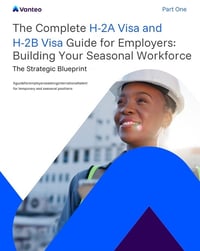
The Complete H-2A Visa and H-2B Visa Guide for Employers: Building Your Seasonal Workforce
This free guide will provide everything you need to know to set up an H-2B program. It's a comprehensive framework to help employers evaluate, implement, and optimize the H-2B visa as part of their strategic workforce planning.
Create a Returning Seasonal Landscaping Workforce
The most valuable seasonal workers are those who come back each year. Returning workers already understand your standards, know your equipment, and integrate quickly into existing crews. They require less training and contribute to productivity from day one.
Build relationships with all seasonal employees by offering reliable schedules, fair compensation, and consistent work throughout their contracted period. When workers have positive experiences, they're more likely to return.
Strengthen Your Employer Value Proposition for Seasonal Staff
Seasonal workers have choices. To attract quality candidates, clearly communicate what sets your company apart:
- Reliable hours and predictable schedules
- Comprehensive training and safety programs
- Competitive compensation packages
- Consistent work throughout the season
- Clear advancement opportunities
Your reputation matters. Seasonal workers talk to each other. Companies known for treating workers well, providing proper equipment, and maintaining safe job sites have an easier time recruiting and retaining talent.
Effective Training for Landscaping Crew Efficiency & Quality
Pre-Season Onboarding
Don't skip onboarding to save time. Proper pre-season training prevents costly mistakes and builds worker confidence. Cover equipment operation, safety protocols, company standards, and customer service expectations.
Consistent onboarding ensures that every crew member understands how your company operates, reducing errors, preventing accidents, and creating a foundation for quality work.
Cross-Training for Operational Flexibility
Cross-trained workers give you operational flexibility. When someone's absent or a job requires additional help in a specific area, cross-trained employees can step in without disrupting productivity.
This flexibility becomes particularly valuable when weather changes force you to shift resources quickly or when unexpected absences occur during peak periods.
Develop Strong Crew Leaders
Crew leaders maintain standards in the field. They manage workflow, communicate with customers, and ensure quality control. Promoting from within or developing returning seasonal workers into leadership roles strengthens your overall operation.
Strong crew leaders reduce the management burden on full-time staff while ensuring consistency across multiple job sites.

Seasonal Landscaping Staff: Maximize Productivity
Create Repeatable Processes
Standard operating procedures eliminate guesswork. When crews follow consistent processes for job setup, execution, and cleanup, efficiency increases and quality remains high.
Document your procedures and train every crew member on them. This alignment reduces downtime and keeps everyone working toward the same standards.
Use Strategic Scheduling for Seasonal Crews
Smart scheduling matches crews to jobs based on skills, equipment needs, and location. Predictive scheduling considers weather forecasts, project timelines, and labor availability to minimize idle time and avoid overstaffing.
The right scheduling approach ensures you're maximizing productivity without burning out your crew or wasting resources.
Maintain Equipment Readiness for Peak Season
Equipment downtime during peak season is costly. Implement preventative maintenance schedules that keep machinery running reliably. When equipment fails in the field, it can derail your entire daily schedule.
Proper equipment maintenance also protects seasonal workers, reduces accidents, and extends the life of your investment.
Strengthen Field-Office Communication
Real-time communication between field crews and office staff prevents small issues from becoming big problems. Implement systems for job progress tracking, issue escalation, and schedule updates.
When crews can quickly communicate challenges and receive support, they spend more time working and less time waiting for answers.
For successful seasonal hiring, start recruiting early, use clear job descriptions outlining duration and duties, and streamline onboarding.
The Business Impact of Reliable Seasonal Staffing
There are valuable benefits to strong seasonal staffing:
Faster project completion means shorter backlogs and more satisfied customers. When you can complete jobs on schedule, you build a reputation for reliability that drives referrals and repeat business.
Higher customer satisfaction translates directly to business growth. Customers notice when crews arrive prepared, work efficiently, and deliver consistent quality.
Reduced overtime for full-time staff prevents burnout and keeps your year-round team fresh. When seasonal workers handle peak demand, full-time employees can focus on higher-value activities like sales, planning, and customer relationships.
Predictable labor costs make financial planning easier. When you know your seasonal staffing costs and can rely on consistent productivity, you can price jobs more accurately and protect your margins.
Achieve Long-Term Seasonal Staffing Success
A reliable seasonal workforce requires planning, investment in training, efficient operations, and strategic recruitment.
Companies that treat seasonal staffing as a core business strategy consistently outperform competitors. They complete more projects, satisfy more customers, and operate with less stress throughout peak seasons.
Whether you're expanding your local recruiting efforts or exploring programs like H-2B that provide access to reliable global talent, the key is starting early and building systems that support consistent results.
At Vanteo, we help landscaping companies access dependable seasonal workers through the H-2B visa program, creating predictable workforce pipelines that support growth and operational excellence. Our approach simplifies workforce planning and reduces the staffing risk that holds many companies back during their busiest seasons. Let’s talk.
Frequently Asked Questions About Landscaping Staffing
What are the key benefits of hiring seasonal workers through the H-2B visa program?
The H-2B visa program allows landscaping companies to hire international workers for temporary positions, providing access to a reliable labor pool. Key benefits include the ability to secure returning workers who are familiar with your operations, reducing training time and increasing productivity. Additionally, these workers often have a strong work ethic and commitment to completing the season, which helps maintain project timelines and quality standards. This program can significantly alleviate labor shortages during peak seasons.
How can landscaping companies improve their recruitment strategies for seasonal workers?
To enhance recruitment strategies, landscaping companies should start their hiring process early, ideally several months before peak seasons. This proactive approach allows them to secure the best candidates before competitors do. Expanding talent sources beyond local pools, utilizing online job platforms, and leveraging the H-2B visa program can also attract a diverse range of applicants. Additionally, promoting a positive company culture and offering competitive compensation packages can make positions more appealing to potential seasonal workers.
What training methods are most effective for seasonal workers in landscaping?
Effective training for seasonal workers includes comprehensive pre-season onboarding that covers equipment operation, safety protocols, and company standards. Implementing cross-training allows workers to gain skills in multiple areas, providing flexibility during peak times. Regular training sessions throughout the season can reinforce best practices and ensure that all crew members are aligned with operational goals. Utilizing experienced crew leaders to mentor new hires can also enhance the training process and improve overall team performance.
How can landscaping companies ensure a positive experience for seasonal workers?
To create a positive experience for seasonal workers, companies should focus on providing reliable schedules, fair compensation, and consistent work throughout the season. Open communication about job expectations and opportunities for advancement can also enhance worker satisfaction. Additionally, fostering a supportive work environment where employees feel valued and recognized for their contributions can lead to higher retention rates and encourage workers to return in subsequent seasons.
What are the common challenges landscaping companies face with seasonal staffing?
Common challenges include labor shortages, which can lead to project delays and increased costs. Inconsistent staffing levels may result in overworked full-time employees and decreased job quality, affecting customer satisfaction. Additionally, the complexity of the H-2B visa application process can deter some companies from utilizing this resource. To mitigate these challenges, companies should plan ahead, streamline their recruitment processes, and invest in training to ensure a reliable and efficient seasonal workforce.
About Vanteo
Vanteo serves as the parent company for a comprehensive family of brands specializing in workforce solutions, cultural exchange programs, and process management, each benefiting from our integrated approach.
Seasonal Workers
Arkansas Global Connect (AGC) serves as our H-2A and H-2B seasonal workforce specialist, providing expertise in agricultural and non-agricultural temporary worker programs. AGC is Clearview Certified for ethical recruitment and manages the seasonal talent pipeline for industries including agriculture, hospitality, landscaping, and manufacturing.
Vanteo is not a law firm, and this information should not be considered legal advice. Participation in U.S. visa programs is subject to eligibility, regulatory requirements, and government approval. Past performance does not guarantee future outcomes.