

Employers using H-2B seasonal workers should begin workforce planning seven to nine months before their start date. The process runs through the Department of Labor, USCIS, and the Department of ...
Articles About H-2B Visa

Read Article →

Audit readiness means having I-9 forms, wage records, and required postings organized and accurate before a DOL or ICE review begins. Vanteo helps H-2B employers build and manage compliant ...
After H-2B approval, employers have ongoing obligations covering arrival and onboarding, wage compliance, transportation costs, document retention, worker notices, and day-to-day supervision. These ...

Employers running H-2B and EB-3 visa programs together face common coordination risks such as misaligned filing timelines, conflicting prevailing wage requirements, H-2B annual cap pressure, ...

Before hiring an H-2B visa partner, hotels should ask seven questions: how the partner manages DOL compliance and prevailing wage filings, their track record placing workers in hotel-specific roles, ...
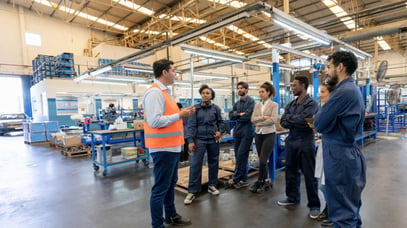
Ethical international hiring means employers pay their required recruitment, legal, and visa costs, offer equal pay and workplace protections, and support workers through relocation and onboarding. ...

The H-2B visa program allows U.S. construction employers to hire temporary foreign workers when qualified domestic candidates are unavailable. The program runs on two seasons, spring/summer and ...

To choose an H-2B visa partner for hospitality staffing, evaluate five areas: compliance expertise, hospitality-specific experience, timeline reliability, communication practices, and post-arrival ...

H-2B visa sponsorship lets hospitality employers hire international workers for temporary, non-agricultural roles during peak seasons. Employers must prove a temporary staffing need, secure a ...
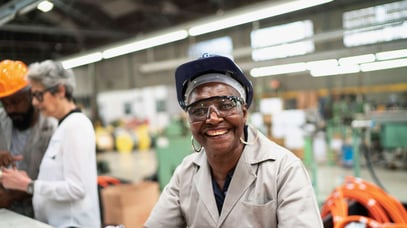
Multi visa sponsorship services help employers fill both seasonal and permanent workforce gaps by combining H-2A, H-2B, and EB-3 visa programs. H-2A and H-2B visas support temporary labor needs in ...

When an H-2B authorization ends, employers must ensure workers depart on or before the authorized end date, pay for return transportation if the worker completed the full contract, issue final wages ...
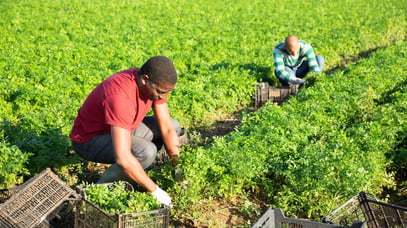
How can farms reduce labor turnover? Farms can reduce labor turnover by hiring through visa-sponsored workforce programs. The H-2A visa provides a reliable seasonal workforce with high year-over-year ...

Why should tourism businesses use H-2B international workers instead of relying only on local hiring? Local labor pools in resort towns and seasonal destinations are limited and highly competitive. ...
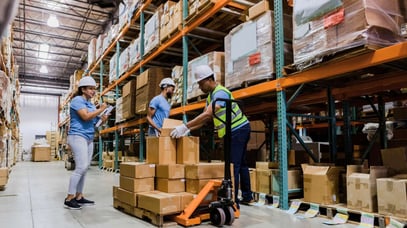
Hospitality, construction, and retail are among the hardest-hit industries in the 2026 U.S. labor market. Hospitality reports an increasingly difficult hiring rate. Construction needs 349,000 new ...

The H-2B visa is a nonimmigrant visa that allows U.S. employers to hire temporary, non-agricultural workers for seasonal or peak-period roles. Retail employers with demonstrable, recurring seasonal ...

The H-2B visa program allows U.S. restaurants to hire temporary foreign workers for seasonal positions when the domestic labor supply falls short. Restaurants use H-2B to staff up during peak ...

International talent offers construction companies two distinct workforce strategy tools. EB-3 visas are an immigrant pathway that builds a permanent labor base over a three-to-five-year horizon. ...

EB-3 and H-2B visas offer construction contractors two distinct workforce tools. EB-3 is an immigrant visa pathway that builds a permanent labor base over a three-to-five-year horizon. H-2B is a ...

The top winter industries for seasonal international talent programs are retail and e-commerce, warehousing and logistics, hospitality and tourism, snow removal and property maintenance, ...

H-2B workers help construction contractors address structural labor shortages by providing committed, project-specific workers who can be planned into bids from the start. Unlike day labor or temp ...

The H-2B visa program is a federal temporary staffing solution that allows U.S. hospitality employers to hire foreign nationals for seasonal, non-agricultural roles when domestic labor is ...